

Australian smart bedding flags risk of falls, secures US patent
Melbourne-based medtech company Sleeptite and RMIT University researchers have secured a US patent for smart bedding technology designed to monitor residents’ wellbeing in healthcare settings and identify falls risk so carers can intervene.

RMIT signs MoU with the University of Derby to strengthen international research partnerships
RMIT University has signed a Memorandum of Understanding with The University of Derby in England to strengthen its international research collaboration.

Peer Support: The Power of Students Helping Students
RMIT University and Scape by The Living Company have co-created a peer support program which allows RMIT social work students to complete their placement and work as peer support workers within Scape residencies.

‘Pothole patrol’ pilot hits the road with AI-powered road defect monitoring
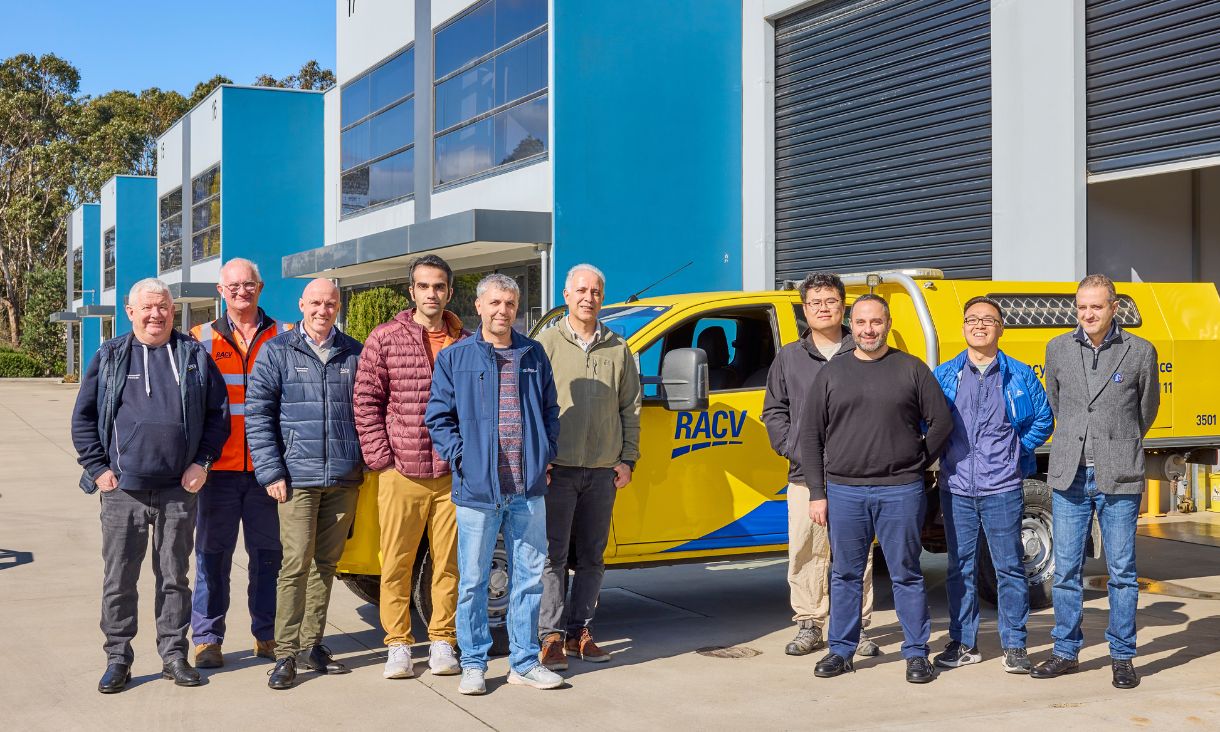
RMIT has partnered with RACV to trial an innovative technology that could transform how roads are monitored for potholes and other infrastructure damage.

Recycling project transforms retired fire-service uniforms into new fashion fibres
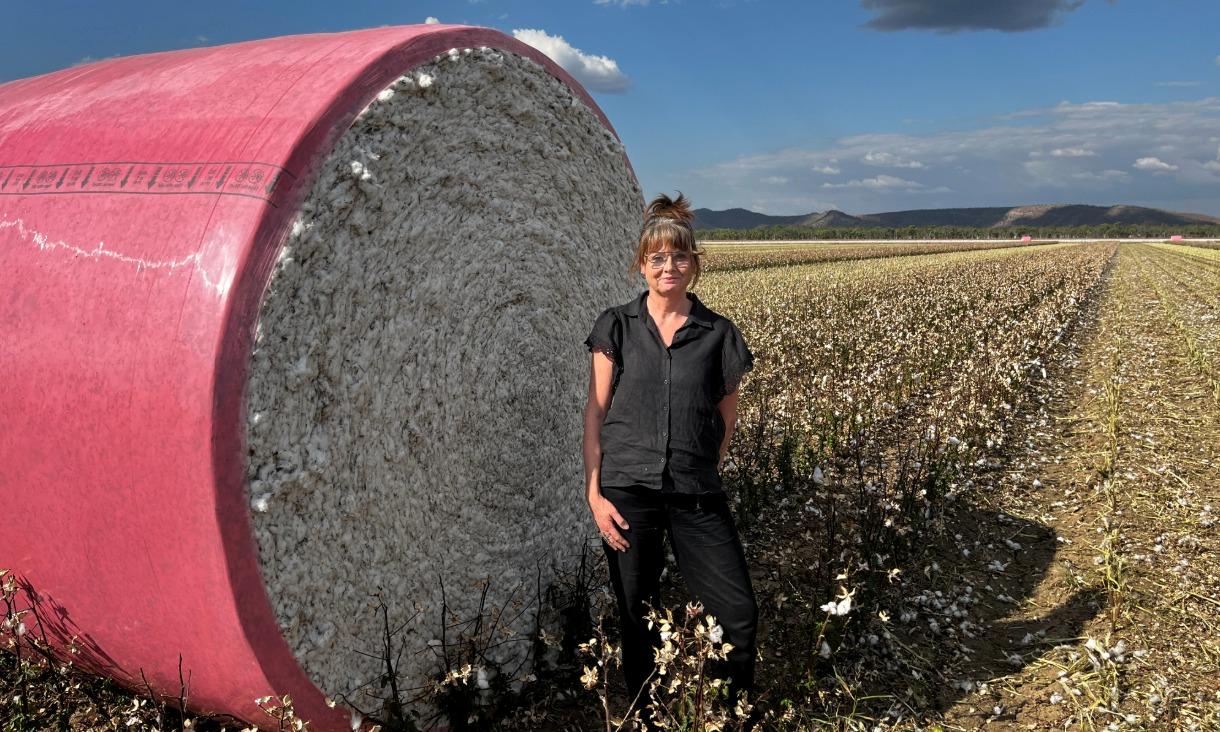
Retired Western Australian fire-service uniforms are being given a second life through a pioneering textile recycling project led by an RMIT University researcher.

PHP vulnerabilities a reminder for businesses to stay vigilant against online threats
Vulnerabilities have been identified in the computer programming language PHP, used by an estimated 70% of websites, which have led to sites being taken offline across the world while patches are implemented. An RMIT expert explains what companies can do to prepare and react to these instances.

Political hostility and misinformation – media literacy matters more than ever
Following growing evidence of political hostility, online misinformation, and an attack on MP Helen Haines, an RMIT expert says Australians need strong media literacy skills to navigate an increasingly complex information environment and to reduce harms caused by declining trust in public discourse.

‘Invisible’ tweak could help make protein shakes less clumpy
Scientists from RMIT University and Riga Technical University in Latvia have shown that static change left on surfaces can be controlled, which may have big benefits for companies needing to avoid the little zap in production of common household goods.