Sound waves create mist that can act like ‘plant sunscreen’
RMIT University researchers have developed a new way to coat fragile surfaces, including living plant leaves, using high‑frequency sound waves to create a fine mist that can act like a plant sunscreen.

Tree bark could help clean water and air
Eucalyptus bark, usually stripped from logs and treated as waste, could be repurposed to help clean polluted water, filter dirty air and capture carbon dioxide, according to new research from RMIT University.

RMIT research opens door to better IVF experience
A wearable device to make fertility treatment easier is being developed by a Melbourne startup in partnership with RMIT, the University of Melbourne and Monash IVF.

Smart bandage could heal and monitor wounds at the same time
Researchers have unlocked the possibility of creating smart wound dressings that enable real-time monitoring while also being able to deliver healing agents in one simple, scalable platform.
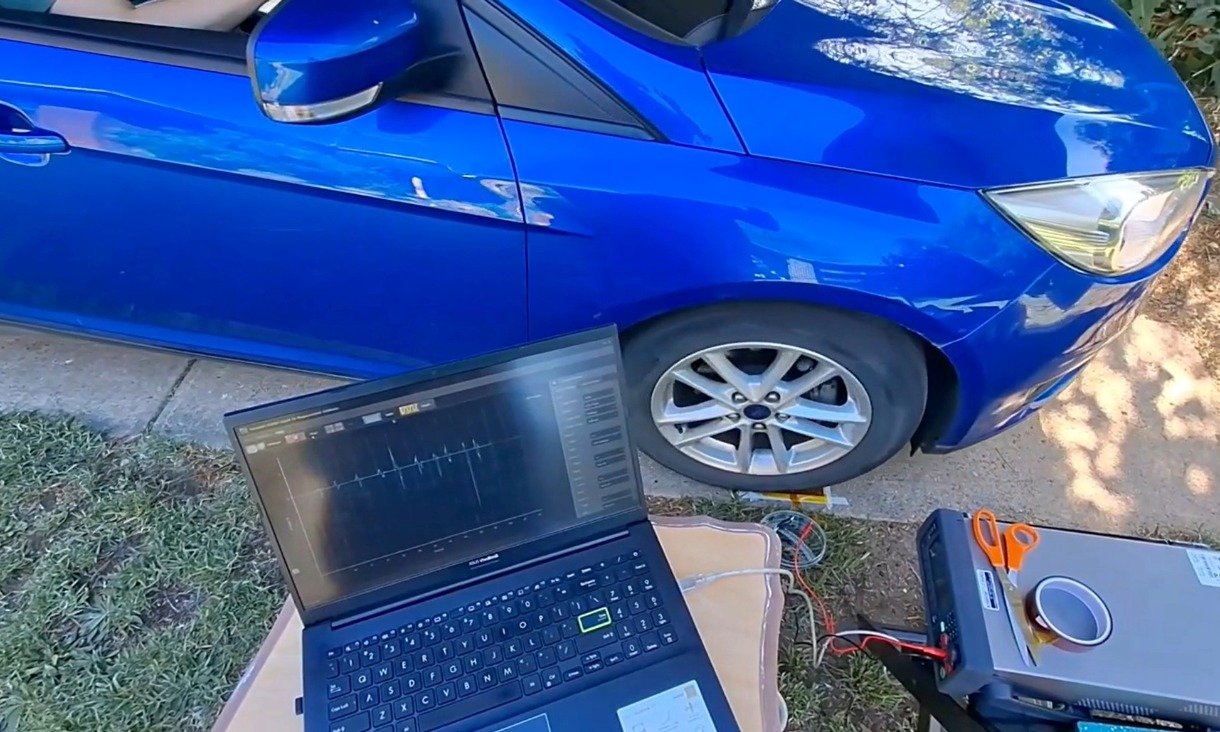
‘Incredibly resilient’ nylon device creates electricity under tonnes of pressure
RMIT University researchers have developed a flexible nylon-film device that generates electricity from compression and keeps working even after being run over by a car multiple times, opening the door to self-powered sensors on our roads and other electronic devices.
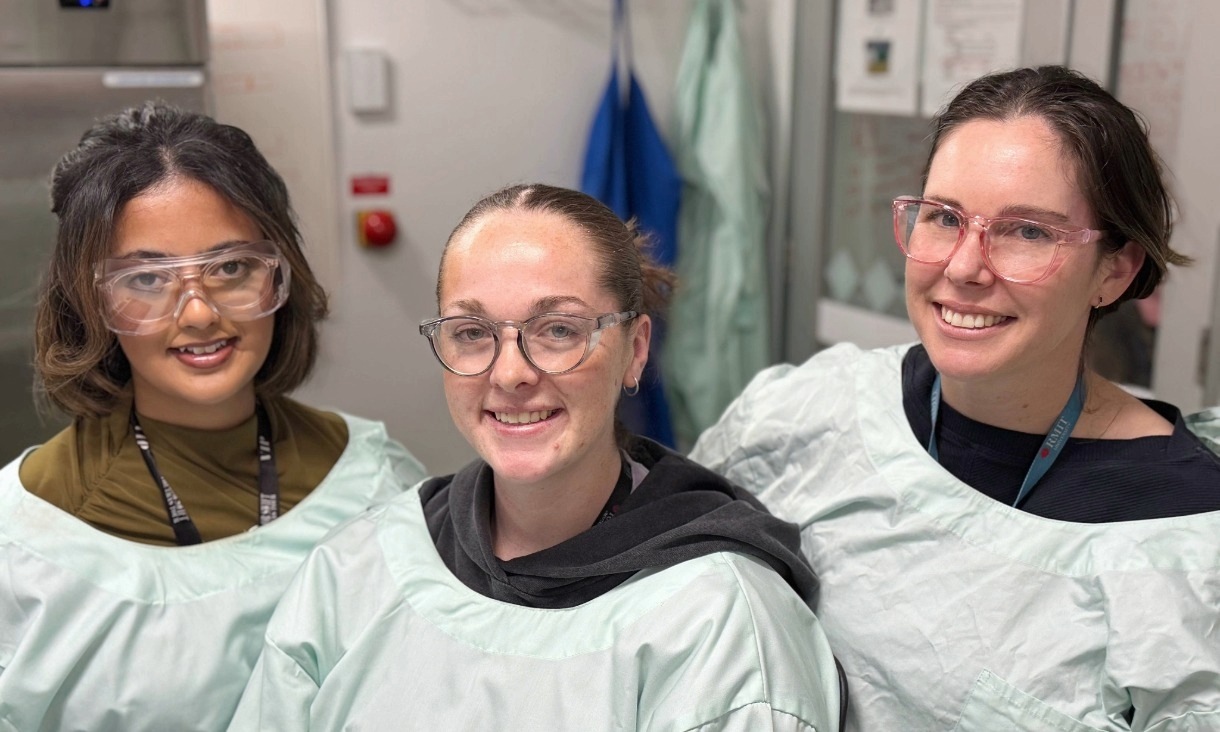
Zapping stem cells could boost growth of new tissues and organs
Scientists in Melbourne have discovered how tiny electrical pulses can steer stem cells as they grow, opening the door to new improved ways of creating new tissues, organs, nerves and bones.

Coffee waste helps make lower carbon concrete
RMIT researchers are advancing new ways to cut the carbon footprint of infrastructure by turning everyday organic waste into useful construction materials.

Low carbon roof tiles give industrial waste a new home
A large-scale trial of sustainable roof tiles by RMIT and Bristile Roofing has shown that incorporating coal ash and glass waste can reduce their carbon footprint.
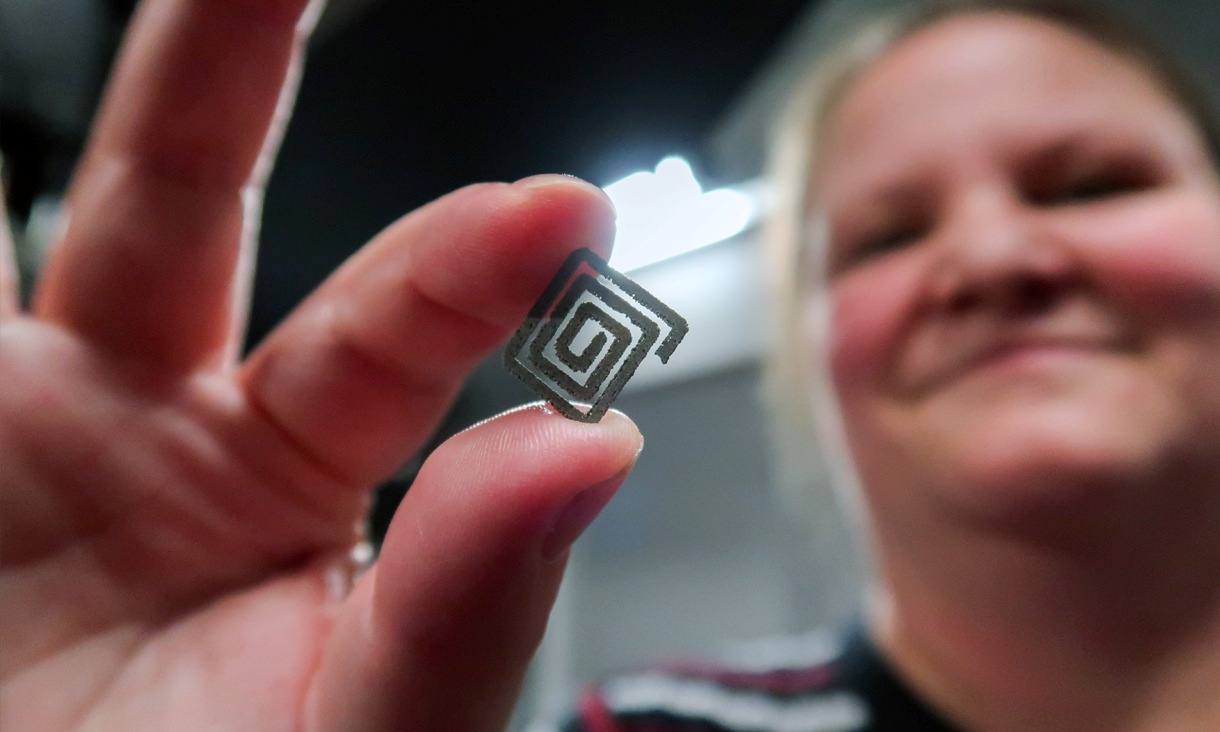
Diamond power could be a medical implant’s best friend
RMIT researchers have created an experimental 3D-printed diamond–titanium device that generates electricity from flowing liquid and receives wireless power through tissue making it possible to remotely sense changes in flow.

Cardboard and earth reshape sustainable construction
Engineers in Australia have developed a new building material with about one quarter of concrete’s carbon footprint, while reducing waste going to landfill.

New wastewater tech tackles fatbergs at the source
A new wastewater treatment system developed by RMIT University researchers could help prevent fatbergs – solid masses of fat, oil and grease (FOG) that clog sewers and cost water utilities globally billions to remove each year.

Smart wound monitor poised to improve chronic infection care
Researchers from RMIT University have developed a wearable wound monitoring device with integrated sensors that could reduce infection risks by minimising the need for frequent physical contact.